When most people think about sleep, they think of it as an on-off switch.
You’re either awake.
Or asleep.
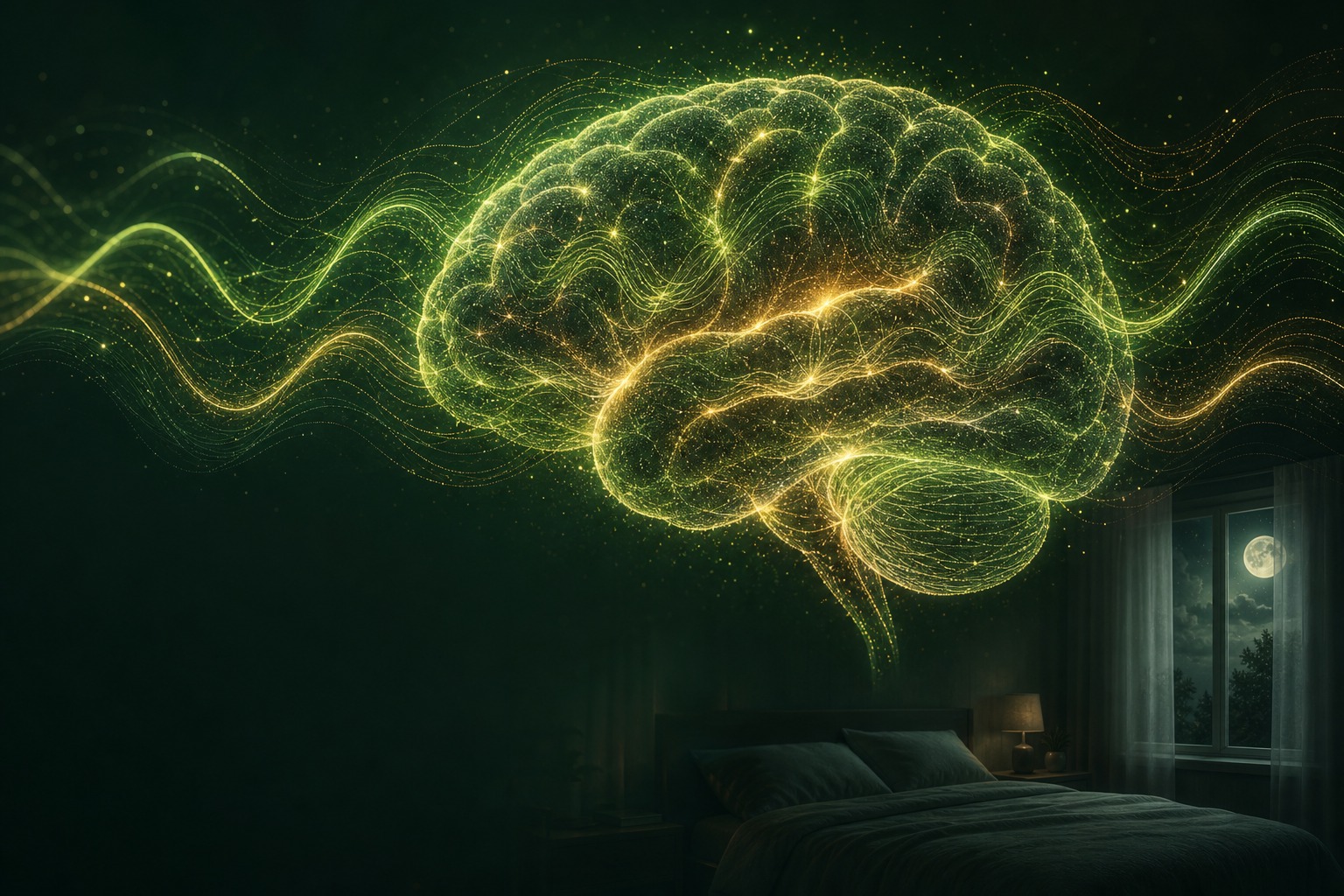
But researchers know your brain is doing something far more complex.
Every night, it cycles through several different states that influence memory, recovery, and long-term brain health.
Among them, one stage has become especially important in Alzheimer’s research: deep sleep, also known as slow-wave sleep.
During slow-wave sleep, the brain produces large, synchronized electrical patterns called slow waves.
Researchers believe these waves help your brain store what you’ve learned during the day, process new information, recover from mental fatigue, and clear away waste that builds up while you’re awake.
Researchers have found that people with Alzheimer’s disease often experience reductions in slow-wave sleep years before severe symptoms appear.
Even more intriguing, studies suggest that reduced slow-wave sleep may be linked to higher levels of amyloid and tau—the hallmark proteins associated with Alzheimer’s disease.
That doesn’t mean poor sleep causes Alzheimer’s.
But it does suggest that sleep quality may play a much larger role in brain health than scientists once believed.
Today, researchers around the world are studying ways to preserve and enhance slow-wave sleep as part of broader efforts to support cognitive function throughout aging.
It’s one of the most promising areas of Alzheimer’s research—and one that gives many experts hope for the future.
What You Can Do Tonight
Consistency matters.
Try going to bed and waking up at the same time every day for the next week.
A regular sleep schedule helps reinforce your body’s natural sleep rhythms and may improve sleep quality over time.
Next Steps?
Cognitive decline has more than 100 known root causes. Most physicians test for one or two.
A 15-minute call with a Patient Care Specialist can tell you what’s actually driving it—and what to do next.
Click here to schedule your free call today.
Educational content only; not medical advice. Please consult a qualified healthcare professional about personal medical concerns.